How to Wear Heels When You Have Big Feet: The Practical Guide
Updated August 2026. The mechanics, the right starting styles and the comfort decisions that actually make a difference at extended sizes.
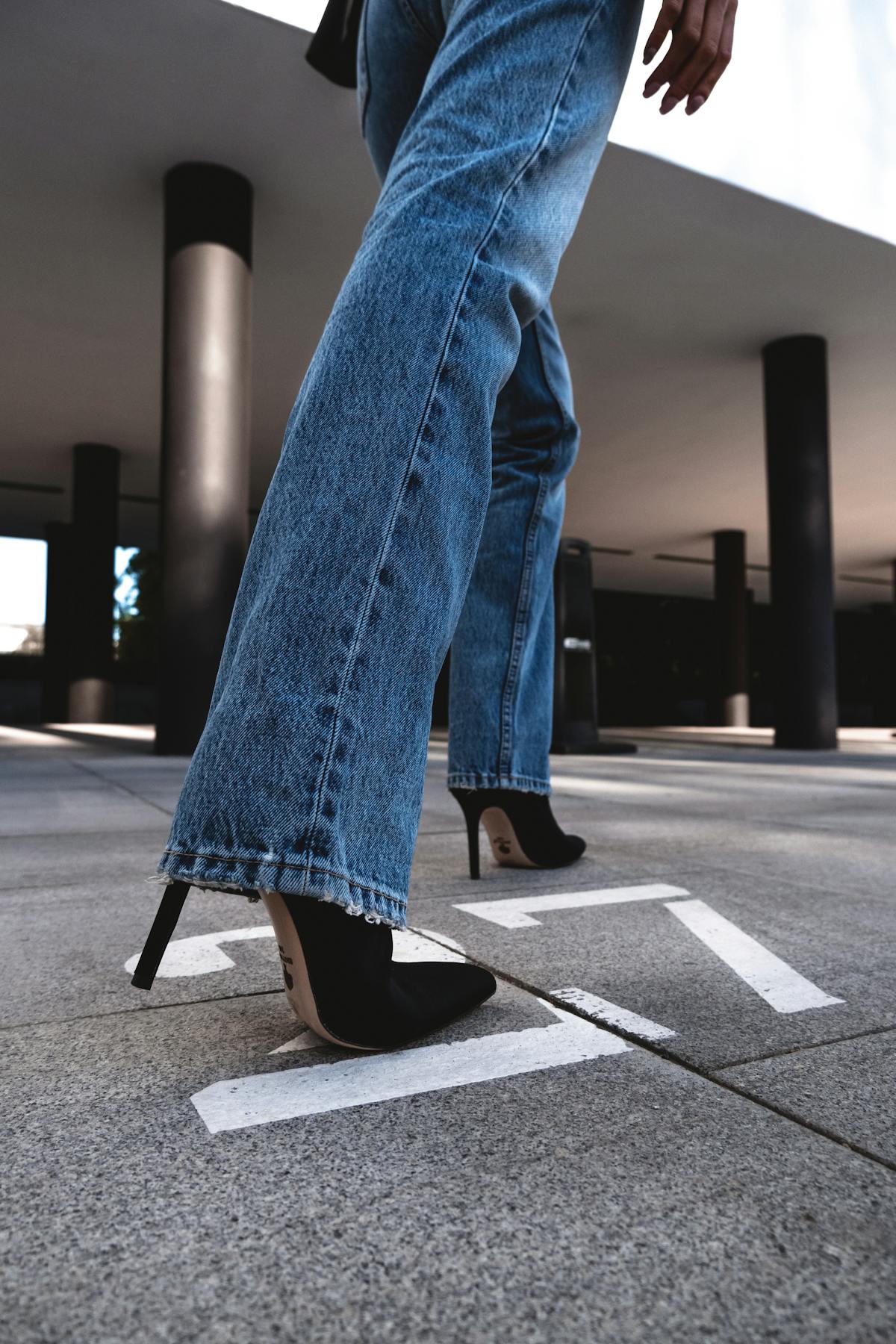
Image credit: Pexels
(Last Updated: Aug 21, 2026) Wearing heels in a size 12 is not fundamentally different from wearing heels in a size 7. The mechanics are the same. The styles that work for beginners are the same. What changes is that finding the right options takes more effort — which is where Scarpe Diem exists.
This guide covers how heels actually work, which styles to start with, the shapes that are easiest to walk in, and the practical decisions that separate a shoe you wear once from one you keep reaching for. Our starter picks are at the end.
How Walking in Heels Actually Works
Before anything else, the mechanics — because once you understand them, the practical advice makes sense.
In flat shoes, you land heel-first and roll through to the ball of the foot. In heels, that changes. The higher the heel, the more weight shifts forward toward the ball of the foot. Walking in heels means leading more from the ball than the heel, which naturally shortens and slows your stride.
This isn’t complicated — but it is different from what your feet have learned to do. The first few times you wear heels, your calves and the muscles across the top of the foot are working in a range they’re not used to. That’s normal and it passes.
Three things that determine how hard heels actually are to walk in:
- Heel height — the steeper the pitch, the more weight moves forward
- Heel base width — a block heel gives you a wide, stable base; a stiletto balances on a point. The difference in practice is enormous
- How the shoe grips the foot — a shoe that stays on your foot removes the unconscious toe-clenching required to keep a slip-on from flying off
The Heel Angle: The One Thing Nobody Explains
This is the piece of advice that’s almost never included — and it makes a meaningful difference.
Look at where the heel sits relative to the back of the foot. On many heeled shoes, the heel is positioned directly flush with the back edge of the sole. On others — particularly block-heel boots, Cuban heels, and western-style boots — the heel is set inset, slightly forward from the back of the shoe.
When the heel is inset, your foot’s natural walking motion is assisted rather than interrupted. The shoe behaves more predictably underfoot. When the heel is flush with the back edge, the shoe has less rearward stability — which is part of why stilettos require more active balance.
In practice, this means:
- Block-heel boots and booties with an inset heel are among the easiest heeled shoes to walk in
- Cuban and western heel styles are specifically designed with this principle — they have been for over a century
- If two shoes are the same heel height but one feels more stable, this is likely the reason
Block Heels: The Right Starting Point
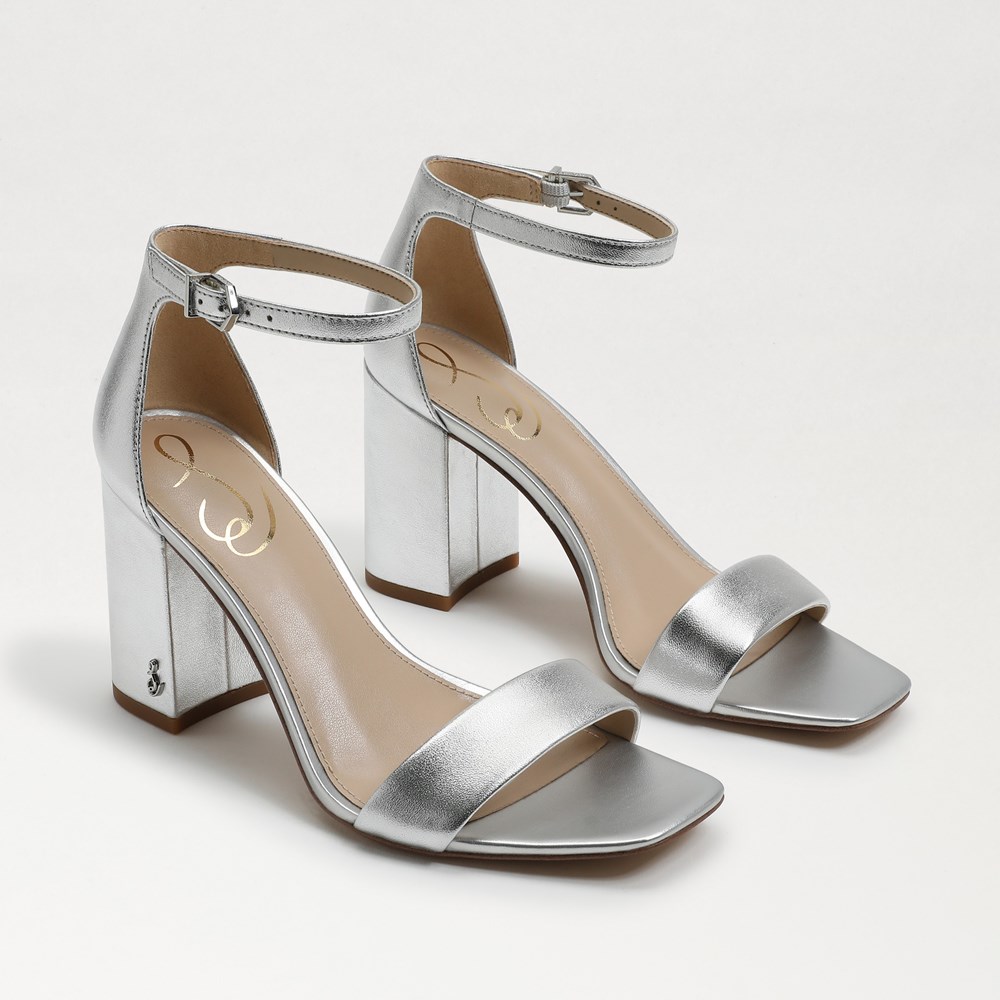
Block heels in size 12 are the best first choice for most people — not a consolation, the right starting point. The wider base distributes weight across a larger surface area. They handle outdoor surfaces, office floors, and uneven pavement better than narrow heels. And they give your legs time to build the muscular adjustment gradually.
Add an ankle strap if you can. A buckle strap removes the grip work — the unconscious clenching your toes do to keep a slip-on from sliding off. That clenching is a genuine source of foot fatigue. A strap that holds the shoe means your feet can relax.
Even better: look for a Mary Jane strap. A strap across the top of the foot — rather than just around the ankle — works more like a harness. It stops the foot sliding forward under the pressure of the heel’s pitch, which is the primary cause of toe cramping in heels. The Mary Jane position engages the foot at the metatarsal rather than at the ankle, giving more control with less effort.
Block Heels in Size 12


Western and Cuban Heels: The Most Walkable Heel Style
Western and Cuban heels are among the easiest heeled styles to walk in, for reasons that are structural rather than just stylistic.
Why western and Cuban heels work so well:
- The heel is inset from the back of the foot — the stability principle described above applies fully here
- The heel is typically 1.5"–2.5" — a manageable height
- The boot or bootie shaft grips the ankle and foot from multiple points, distributing support across the whole lower leg
- The sole is generally thicker and more continuous than a sandal or court heel, giving better ground contact
These have been work boots for over a century. The ergonomics are proven.
In size 12, the Jessica Simpson Helvona Western Bootie is the most accessible entry point: a block heel at 2.4" with genuine western boot detailing, available in Safari Brown, Harvest Country, Dark Granada, Black, and Leopard. The Dolce Vita ROMIE BOOTS take the western construction to a higher quality leather at a 1.8" block — the more refined version of the same idea.
Western and Cuban Heel Boots in Size 12


Booties: A Beginner’s Best Friend
Ankle booties are often overlooked in heel guides because they’re not a sandal or a court heel — but for a beginner, they’re actually one of the most practical starting points. The ankle shaft grips the foot in a way that an open shoe can’t, giving the foot more feedback and more stability with each step.
Why booties are easier to walk in than open heels:
- The boot shaft prevents the heel from slipping within the shoe
- There’s no need for toe-gripping to keep the shoe on
- More of the foot is engaged with the shoe structure at any given moment
- The shaft reduces ankle wobble on uneven surfaces
Look for a zip fastening rather than pull-on alone. A zip allows the bootie to be fastened correctly against the foot rather than relying on the boot stretching to fit. A well-zipped boot grips the ankle properly; a pull-on that’s slightly loose will shift with every step. This is particularly relevant in extended sizes where the boot opening may be sized for a narrower foot.
In size 12, the Sam Edelman Ashtyn Ankle Bootie in leather (angled block 2.0", snipped toe) is the quality starting point — leather construction with a stable block heel. The Dolce Vita SLIM BOOTIES in Black Leather (block 2.2") are the more fashion-forward block bootie in several colourways. The Dolce Vita KLYDE BOOTS in Cognac Suede brings suede construction and a stacked block heel to the ankle bootie silhouette.
Heeled Booties in Size 12


Boots: The Most Supported Heeled Option
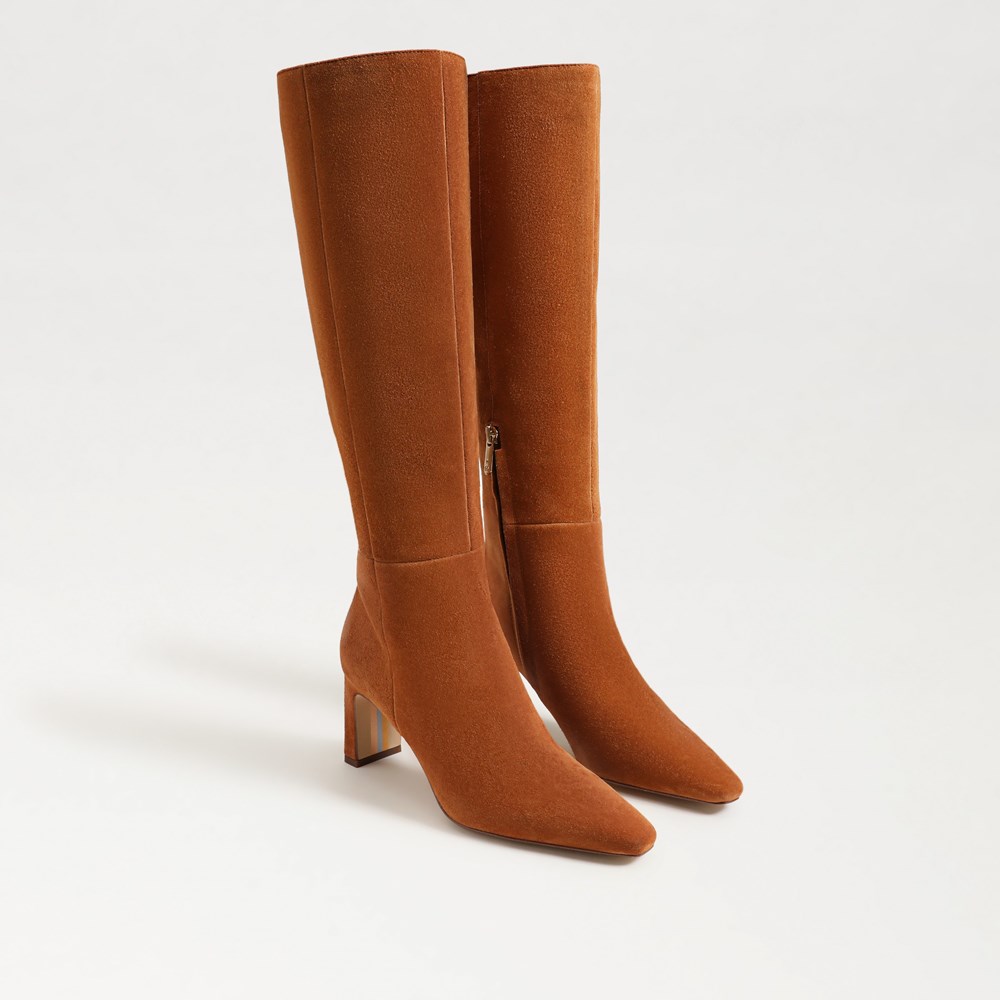
If booties grip the ankle, knee-high boots grip the calf too — and that additional contact point makes them the most supported heeled option available. The more of the leg that’s engaged with the boot shaft, the less individual balance work your foot and ankle have to do.
Why heeled boots are among the easiest to walk in:
- The shaft distributes support from foot through ankle through calf
- The heel is less exposed to side-to-side movement
- Walking in a heeled boot feels more like walking in a normal shoe than any open-heel alternative
- A boot with a block heel at 2"–3" provides both height and excellent stability
The zipper recommendation applies here too — and even more so. A knee-high boot with a side zip fastens securely from foot to calf rather than relying purely on stretch. Wide-calf versions are also worth checking in size 12, as extended-length feet are often paired with a broader calf.
Dolce Vita’s LUCYLE BOOTS in Tan Leather (block 2.8") is the versatile everyday boot: quality leather, stable block, appropriate for work and weekend alike. Their JODY BOOTS in Dark Brown Suede (block 3.2") offers more height with the same structural stability. The Sam Edelman Sylvia Knee High Boot in Frontier Brown (block 2.8", side zip) brings Sam Edelman leather construction to a clean, versatile knee-high.
Heeled Boots in Size 12


Kitten Heels: Elegant and Genuinely Comfortable
Kitten heels at 1.5"–2.5" have a fully deserved fashion moment. A pointed-toe kitten reads as intentionally polished — and at this height, heel fatigue is essentially irrelevant. They work for work, occasions, and events where you want the silhouette a heel provides without spending the day thinking about your feet.
For tall women specifically, the common anxiety is that heels will make you more conspicuous. A kitten heel adds one to two inches — a height difference invisible in most contexts and negligible under a floor-length trouser or skirt. You get the proportion a heel provides without meaningfully changing how tall you appear.
On toe shape: pointed-toe kitten heels are the classic silhouette — but an almond toe or round toe version is more forgiving in extended sizes. The almond toe tapers gently rather than aggressively, reducing the toe-box compression that’s the most common fit failure in size 12 pointed heels. A round-toe kitten heel is the most relaxed version — looks intentionally vintage rather than cautious, and puts essentially no pressure on the toes at all.
Kitten Heels in Size 12


The Dolce Vita DERREL HEELS BLACK LEATHER (kitten 2.4") is the classic leather kitten. The Dolce Vita ALDY BOOTS BLACK LEATHER brings the kitten heel into a boot construction — perhaps the most wearable combination in this guide: kitten heel height, full boot support. The DV DAKSIE in Café Leather is the warm-toned alternative for a less classic colourway.
What to Leave Until Later
A few specific shapes to work up to rather than start with:
- Stiletto heels above 3" — the narrow base requires balance and muscular adjustment beyond what a block heel demands. Achievable, but not the starting point
- Very aggressive pointed toe boxes — if the shoe compresses your toes within twenty minutes, the shape doesn’t suit your foot. Move on; don’t force it
- Slip-on mules with no back — nothing grips the heel, which means maximum toe-gripping is required to keep the shoe on. Not ideal for building confidence
Getting the Fit Right
Fit matters more in heels than in flats. A heel that fits poorly doesn’t just feel wrong — it causes specific and predictable problems.
Common fit failures and what causes them:
| Problem | Cause | Fix |
|---|---|---|
| Heel slipping out | Too much room at the heel | Ankle strap, heel grip pad, or zipper closure |
| Toes cramping | Toe box too narrow or deep | Try an almond or round toe; check brands known for extended-size toe box proportioning |
| Foot sliding forward | Ball of shoe too wide | Ball-of-foot gel insert; look for Mary Jane strap |
| Ankle wobble | Sole too narrow | Go wider on the heel base |
On brands for extended sizing: Sam Edelman is specifically noted by reviewers for toe box proportioning that works at size 12 and beyond — reviewers describing fit at size 13 and 14 appear consistently in their reviews, which is unusual and valuable. Their Hazel pump has been called out for a toe box “like a Manolo Blahnik” — roomy without compromising silhouette.
Breaking Them In
You’re not just stretching the material. Your feet and lower legs are building muscular adjustment to a new range of motion. That takes time and repetition — not just one or two wearings.
The practical approach:
- Wear them around the house first — carpet, then harder floors
- Then wear them outside on actual pavement, stairs, and varying surfaces
- Think in cumulative hours rather than sessions: aim for around 8 hours of total wear before a long occasion
- Buy several weeks before any event you want to wear them to
A pair of heels that feels challenging in week one often feels completely natural in week three. The adjustment is real and it does happen.
The Additions That Actually Help
Ball-of-foot gel cushion — the highest-value heel accessory. Sits at the ball of the foot, absorbs impact, meaningfully extends how long a heel stays comfortable. Insert it during the break-in period so your foot learns the shoe with it already in place.
Heel grip — a thin pad inside the back of the heel that reduces slip and rubbing. Useful when the shoe fits well at the toe but has room at the heel.
A half-size up — if you’re between sizes and the shoe runs narrow, go up. A slightly long shoe with an insert is more manageable than a shoe that compresses the foot.
Where to Wear Them First
Don’t debut heels at a twelve-hour event. Build up:
- Start: a short dinner, a work meeting where you’ll be seated most of the time, a low-key social occasion where you can sit when needed
- Then: a half-day event, a gallery opening, a brunch
- Then: a full wedding day, a long work event, a night out
Each occasion builds the muscular conditioning and, just as importantly, the confidence.
Our Starter Picks in Size 12
The three most beginner-appropriate heeled shoes in the catalogue: a classic block bootie, a quality leather ankle boot, and a western style that combines the inset heel and boot shaft advantages discussed above.
Best Starter Heels in Size 12
Sam Edelman Ashtyn Ankle Bootie — leather block bootie at 2.0" with the ankle support of a boot shaft. The most practical starting point in the catalogue: stable, well-constructed, inset block heel.
Dolce Vita SLIM BOOTIES BLACK LEATHER — block 2.2" in a slim Chelsea bootie silhouette. Goes with virtually everything, and the boot construction gives the foot the grip and stability that open heels don’t.
Jessica Simpson Helvona Western Bootie in Safari Brown — the western entry point: 2.4" inset block heel, boot shaft support, a proven style that applies the most walkable heel architecture available. Available in five colourways.
Ready to browse? Block heels in size 12 · Booties in size 12 · Boots in size 12 · Kitten heels in size 12 · Or browse the full size 12 heels collection.
Also useful: Best Women’s Size 12 Heels: The Complete Buying Guide · Women’s Size 12 Shoes: The Complete Guide
Tags: how to wear heels big feet, heels for big feet women, size 12 heels beginner, how to walk in heels size 12, first time wearing heels size 12, block heels size 12 beginner, western heels size 12, cuban heel size 12, booties size 12 heels, heeled boots size 12, kitten heels size 12, almond toe heels size 12, round toe heels size 12, comfortable heels size 12, mary jane heels size 12, heel inset walking tips, how to start wearing heels, extended size heels beginner guide